September 2014
Intermediate to advanced
400 pages
11h 12m
English
Organizing is what you do before you do something, so that when you do it, it is not all mixed up.
—A.A. Milne
The key to high quality internal auditing is finding the right blend of intuition, intelligence, insight, planning, flexibility, and creativity. Great internal auditors need to be strategic influencers while at the same time being empathic listeners. Chief audit executives need to strike a balance between being responsive and being proactive.
Internal auditors need to adopt a systematic and disciplined approach to their work to ensure their independence and objectivity. This is most likely to occur when the internal audit function has adopted formalized procedures that are understood and adhered to by all staff members.
Professional practice is the third of the three sets of inputs to a quality internal activity. The other two sets of inputs, strategy and staffing, have been described previously in this book. The specific elements that comprise professional practice are shown in Figure 11.1.
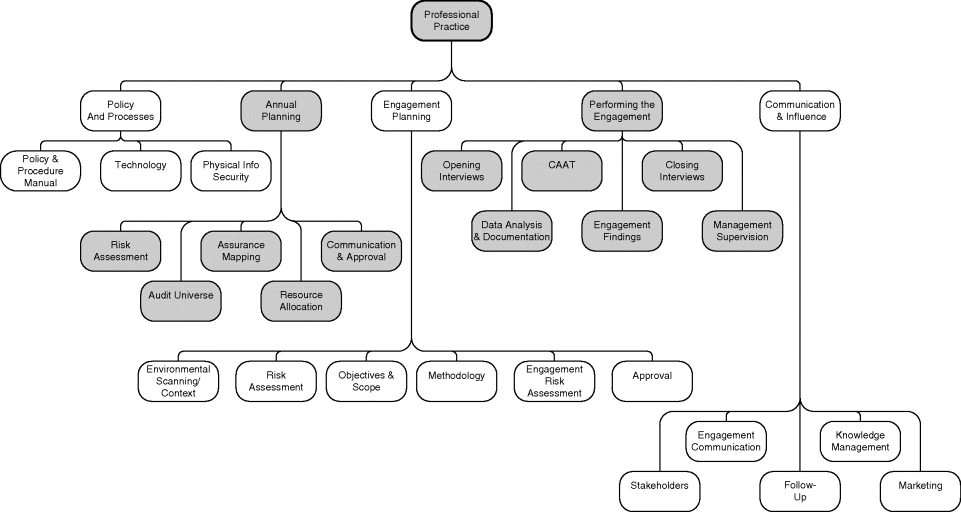
Figure 11.1 Elements of Internal Audit Professional Practice
Building a new internal audit practice offers an exciting opportunity to chief audit executives, giving them scope to develop processes in a manner consistent with stakeholder expectations and strategic ...
Read now
Unlock full access


 O’Reilly covers everything we've got, with content to help us build a world-class technology community, upgrade the capabilities and competencies of our teams, and improve overall team performance as well as their engagement.I wanted to learn C and C++, but it didn't click for me until I picked up an O'Reilly book. When I went on the O’Reilly platform, I was astonished to find all the books there, plus live events and sandboxes so you could play around with the technology.I’ve been on the O’Reilly platform for more than eight years. I use a couple of learning platforms, but I'm on O'Reilly more than anybody else. When you're there, you start learning. I'm never disappointed.I'm always learning. So when I got on to O'Reilly, I was like a kid in a candy store. There are playlists. There are answers. There's on-demand training. It's worth its weight in gold, in terms of what it allows me to do.