AI Use Policy for Talent Developing Content for O’Reilly
Last updated: October 24, 2023
Last updated: October 24, 2023
O’Reilly embraces the potential of generative AI technologies and tools (“GenAI Models”), which can revolutionize the way we and our content creators produce and curate educational content for our users. By generating captivating text, illustrative diagrams, compelling videos, enhanced narration and audio effects, interactive quizzes, and more with remarkable efficiency, GenAI Models are a powerful asset when used properly. We do however want to strike a delicate balance between reaping the benefits and mitigating the risks associated with the use of GenAI Models, including the generation of factually untrue outputs (or “hallucinations”) or biased outputs—leading to inaccurate content in our products, vulnerabilities in data security, and other privacy concerns; risking the integrity of our systems and data; leaking our content and other intellectual property (IP); undermining our value proposition; and increasing the risk that we infringe third-party IP.
With these principles in mind, this policy sets forth our guidelines on the use of GenAI Models to create educational content for our users and to support our business generally. It is important that you review this policy periodically, as we may update our guidelines from time to time to reflect advancements in the technology underlying GenAI Models and changes in legal and regulatory frameworks (including as a result of the outcomes of pending litigation relating to the use of GenAI Models). Note that all references to legal developments or the terms of any GenAI Models are accurate as of the date of this policy.
“Input” means prompts, text, images, code, or any other materials submitted as input to a GenAI Model.
Review the GenAI Model’s terms on Input: Carefully review, read, and understand the GenAI Model’s legal terms and conditions governing Input as they may include the following potential pitfalls:
Guidelines: Follow these guidelines and best practices when submitting Input to a GenAI Model.
“Output” means text, images, code, or other materials generated by GenAI Models.
Make sure you own the Output. It is important that you review, read, and understand the GenAI Model’s legal terms and conditions governing Output. As a general rule, you should ensure that the user owns the IP rights in the Output or at the very least has the right to use the Output for commercial purposes. If the terms of the GenAI Model indicate that the user does not own the IP rights in the Output, and you wish to incorporate any such Output in whole or in part into the content you create for O’Reilly, you must obtain approval in advance from your O’Reilly editor before doing so.
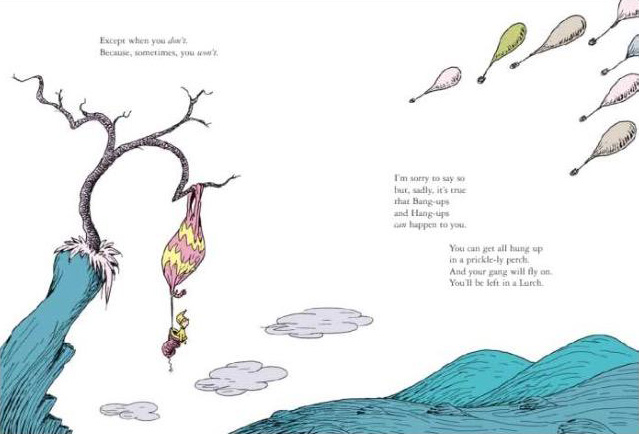
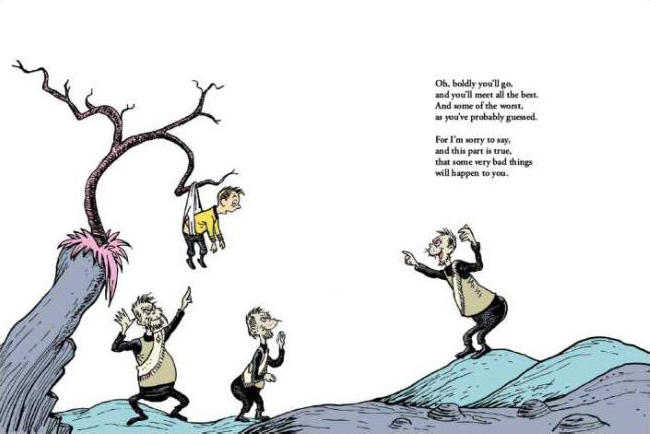
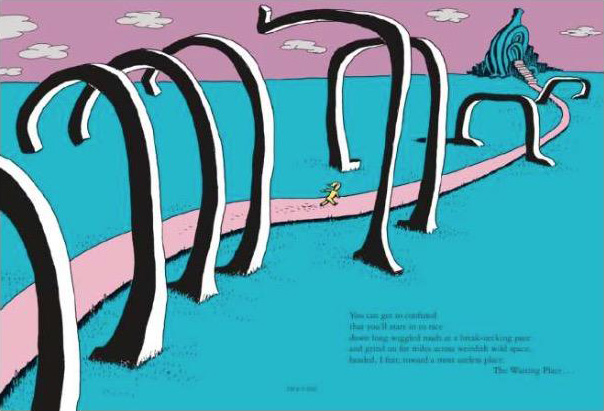
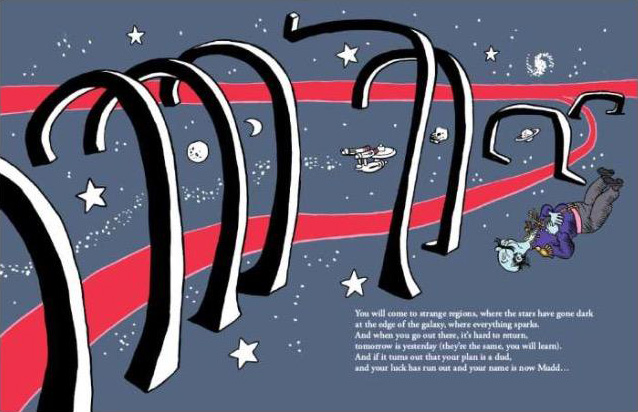
Even if you own the Output, you may still infringe. The US Copyright Office has issued formal guidance in March 2023 noting that most Outputs solely based on a prompt are not eligible for copyright protection. This effectively makes that Output part of the public domain and free for anyone to use without restriction, unless the Output is a reproduction or derivative of a copyrightable work. However, if the Output is a reproduction or derivative of a copyrightable work, while the GenAI Model may designate you as the owner of the Output, use of the Output may inadvertently lead to plagiarism, copying, or infringement of others’ work. The graphics in Exhibit A Example 2 illustrate how certain defenses to allegations of infringement may apply to Outputs.
Guidelines: Follow these guidelines and best practices when incorporating Output into content that is delivered to our users, including with regard to how you select, craft, and/or modify all elements of your content that are derived from Output.
General: Some open source GenAI Models (“OSS GenAI Models”) are governed by licenses that prohibit you from using the OSS GenAI Model for commercial purposes.3 This may mean that you cannot use OSS GenAI Models in your work for O’Reilly. Further, the Output of some OSS GenAI Models may be subject to the terms of a copyleft or network viral open source license, tainting O’Reilly’s proprietary software and imposing obligations on O’Reilly to make certain source code publicly available.
Guidelines: Follow these guidelines and best practices when submitting Input to and using Output of OSS GenAI Models.
General:
Any exceptions to the guidelines in this Section 5 must be preapproved in writing by O’Reilly and will be considered on a case-by-case basis. Your editor is your point of contact for requesting all necessary approvals.
We will investigate any complaint or alleged violation of the law or this policy and, if necessary, take appropriate corrective action and/or disciplinary action up to and including termination of your engagement.
If you have any questions about this policy, please contact your O’Reilly editor. Please be aware that O’Reilly has prepared this policy as a resource for you but cannot offer our content creators specific legal advice.
Example 1
Proceed with caution when crafting or preparing Inputs for a GenAI Model. As shown below, your exact Inputs or a derivative or summary of your Inputs may also be available to other users of the GenAI Model.
Data regurgitation |
Derivative or summaries of your works |
|---|---|
|
Data regurgitation is a phenomenon in which the GenAI Model produces a near or exact replica of an Input as an Output to other users.   We note that many GenAI Models are implementing and employing technical measures to prevent regurgitation on a go-forward basis. |
Some GenAI Models have the capability to take an Input and generate derivative works as Output that is provided to other users, potentially incorporating core expressive elements from the original Input:4   Additionally, if an Input consists of a textbook, some GenAI Models can currently summarize the textbook on a chapter-by-chapter basis for other users of the GenAI Model. |
Example 2
Dr. Seuss: A work that combined Dr. Seuss’s Oh, the Places You’ll Go! with elements from Star Trek was the subject of a complaint that was ultimately resolved in favor of Dr. Seuss. Output that is a derivative work or reproduction of copyrighted material may infringe the rights of the copyright owner, even if the Output is “owned” by the user of the GenAI Model per the GenAI Model’s terms.
Dr. Seuss Work |
Infringing Work |
|---|---|
 |
 |
 |
 |
Disney’s Snow White: Transforming a protected work might allow O’Reilly to make “fair use” of the work, which means avoiding potential copyright liability. For example, the following depiction of Snow White as a hunter may be sufficiently transformative to inform a finding of fair use.
 |
 |
If you’re using AI to “transform” a third-party work for inclusion in content you’re creating for O’Reilly, please explicitly identify these materials to your O’Reilly editor during the development process.
Example 3
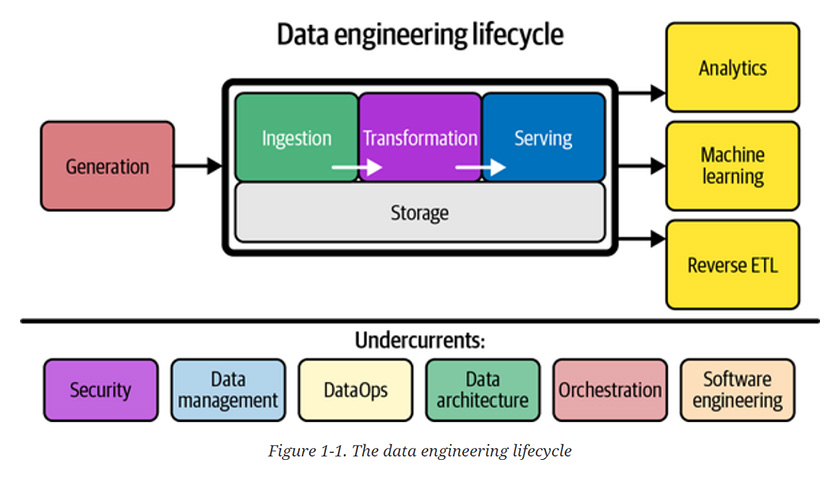
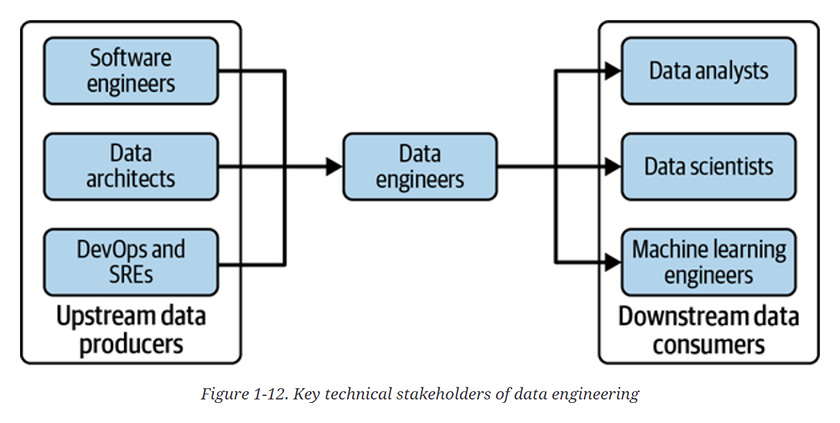
Using GenAI models to generate generic figures like these to illustrate a concept is likely to be an acceptable use, assuming that you’re complying with the rest of this policy.
 |
 |
Example 4
When utilizing GenAI Models to generate illustrations (e.g., for book covers, book interiors, and web pages), focus on making meaningful alterations to the Output or evoking a different aesthetic appeal before incorporating such Output into your finished work. Making minor or imperceptible changes (as shown below) is not sufficient.
Detail before Photoshop |
Detail after Photoshop |
|---|---|
 |
 |
1 Consider using the following language as an example of how to provide proper attribution: “Adapted from content generated by [GenAI Model].”
2 Although you won’t likely know whether a GenAI Model’s training data is robust or refreshed, contains all applicable variables, and/or is sufficiently representative, use your reasonable judgment to select and modify Output in a manner that does not espouse any gender, racial, cultural, or preexisting biases.
3 As of the last effective date of this policy, fine-tuned checkpoints for Stability’s LLM (StableLM-Tuned-Alpha) are licensed under the Noncommercial Creative Commons license (CC BY-NC-SA-4.0), in alignment with Stanford’s Alpaca license guidelines.
4 Note that this is just an artist’s claim of an infringing derivative work. Determining whether the Output is a derivative work is a fact-specific analysis determined by a court. Output that copies and reproduces certain facts (which are unprotectable under copyright) is less likely to be infringing; however, Output that gets at the core expression of the author or that could serve as a substitute for the work may be infringing.