October 2020
Intermediate to advanced
304 pages
7h 40m
English
In March 2020, popular opinion – spearheaded by the media – might deem it beside the point to write a book about geopolitics and investing. A book on epidemiology and investing may be more appropriate.
But geopolitics is central to the COVID-19 pandemic and its ultimate effect on the economy and markets. In Chapter 8, I argued the curve-flattening narrative will ultimately succumb to economic constraints: the pressure to restart the economy. Figure 12.1 summarizes that chapter's conclusions, and only half-jokingly.
As a reminder of my main thesis in Chapter 8, most voters are not savers. Or, if they are, their savings is not enough to nurse them through a depression-level economic dislocation. Therefore, investors should expect a revolt against the indefinite curve-flattening narrative to occur sooner rather than later – at the “desensitization point for debtors” in Figure 12.1. While your sample may be skewed if your friends, family, and colleagues are “savers” – certainly if you are an investor they are – most people are “debtors” on the diagram. Twitter and Instagram are not representative of the median voter in this respect.
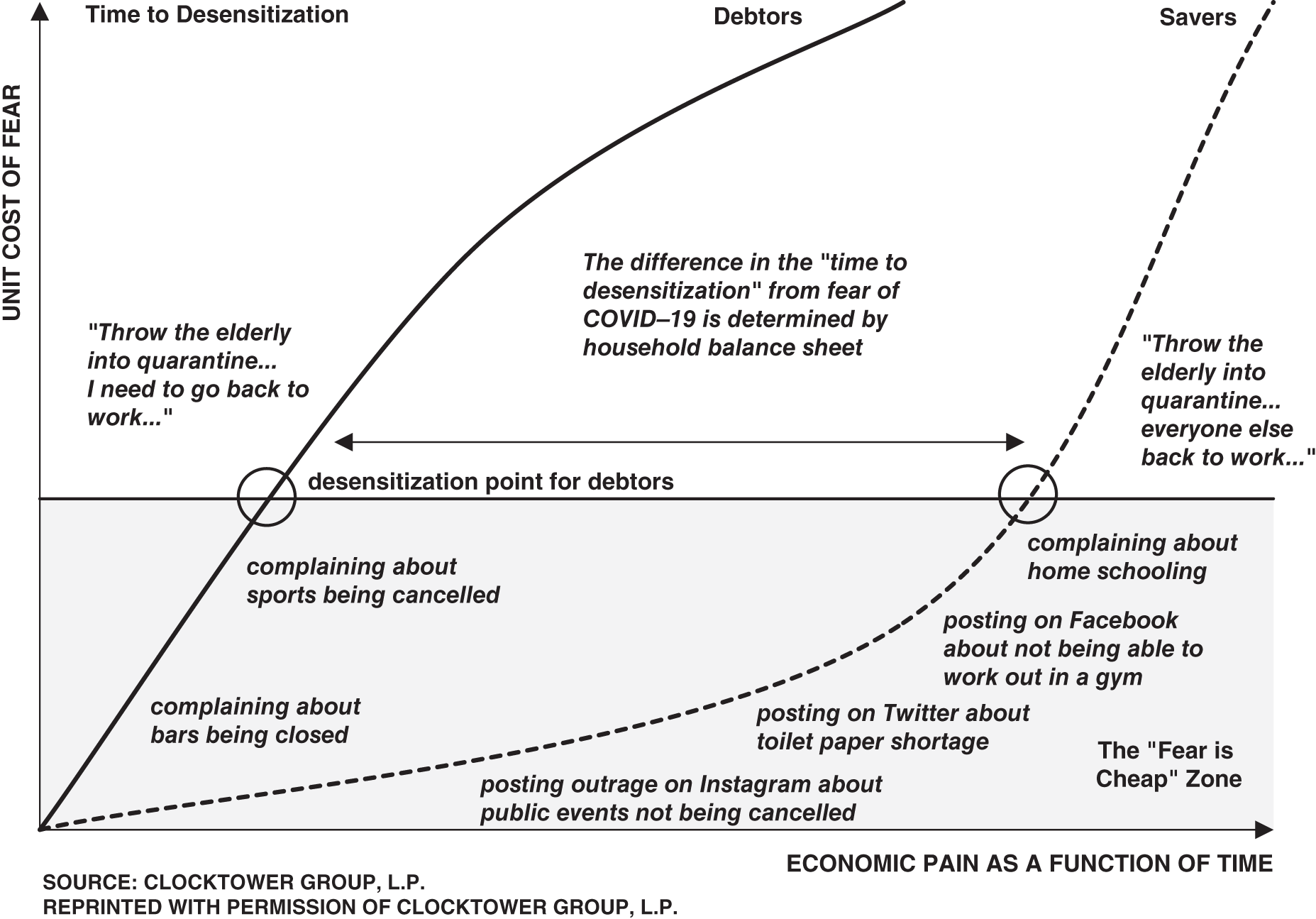
Figure 12.1 Constraints to flatten-the-curve narrative will grow.
This book has little to teach about pandemics, but it does provide a framework to forecast policy reactions to anything. A recession, terrorism, trade war, pandemic, ...
Read now
Unlock full access


 O’Reilly covers everything we've got, with content to help us build a world-class technology community, upgrade the capabilities and competencies of our teams, and improve overall team performance as well as their engagement.I wanted to learn C and C++, but it didn't click for me until I picked up an O'Reilly book. When I went on the O’Reilly platform, I was astonished to find all the books there, plus live events and sandboxes so you could play around with the technology.I’ve been on the O’Reilly platform for more than eight years. I use a couple of learning platforms, but I'm on O'Reilly more than anybody else. When you're there, you start learning. I'm never disappointed.I'm always learning. So when I got on to O'Reilly, I was like a kid in a candy store. There are playlists. There are answers. There's on-demand training. It's worth its weight in gold, in terms of what it allows me to do.