February 2013
Intermediate to advanced
362 pages
8h 16m
English
Most people do not really want freedom, because freedom involves responsibility, and most people are frightened of responsibility.
We are made wise not by the recollection of our past, but by the responsibility for our future.
By imposing too great a responsibility, or rather, all responsibility, on yourself, you crush yourself.
The buck stops here.
The Chain of Responsibility design pattern separates the sender of a request from the receiver. This avoids coupling of the requester and receiver. Further, the pattern allows a request to be passed along a chain to several different objects that have an opportunity to handle the request. The sender doesn’t need to know which object handles the request, and the object doesn’t need to know who sent the request. There’s no coupling between the two.
The advantages of the Chain of Responsibility is that any object can send the request to the objects that handle it, and the objects that handle a request can be changed so that more or different objects can be incorporated to deal with requests. So changes can be made in both the requester and request handlers without disrupting a larger system. Figure 13-1 shows the class diagram for the Chain of Responsibility pattern.
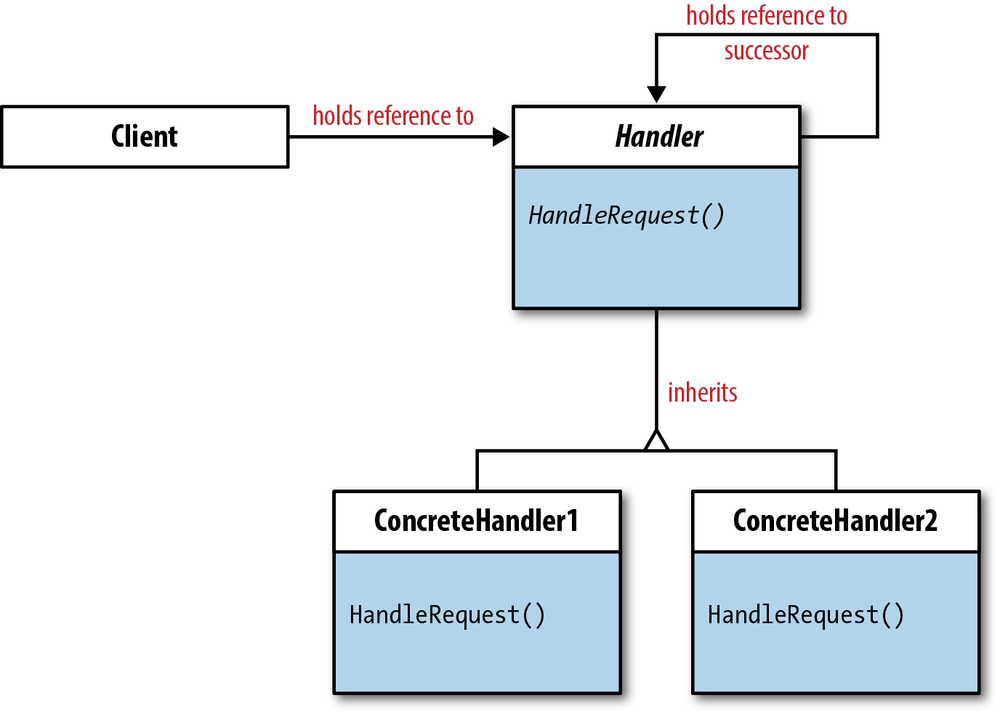
Figure 13-1. Chain of Responsibility class diagram ...
Read now
Unlock full access


 O’Reilly covers everything we've got, with content to help us build a world-class technology community, upgrade the capabilities and competencies of our teams, and improve overall team performance as well as their engagement.I wanted to learn C and C++, but it didn't click for me until I picked up an O'Reilly book. When I went on the O’Reilly platform, I was astonished to find all the books there, plus live events and sandboxes so you could play around with the technology.I’ve been on the O’Reilly platform for more than eight years. I use a couple of learning platforms, but I'm on O'Reilly more than anybody else. When you're there, you start learning. I'm never disappointed.I'm always learning. So when I got on to O'Reilly, I was like a kid in a candy store. There are playlists. There are answers. There's on-demand training. It's worth its weight in gold, in terms of what it allows me to do.