June 2011
Intermediate to advanced
735 pages
17h 36m
English
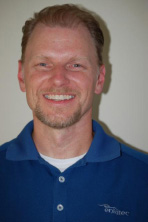
While at Enkitec, Tim has been an instrumental figure in development projects across dozens of companies and has greatly assisted in the uptake of Oracle Application Express. As a result, Tim is a frequent contributor to the Dallas Oracle User Group (DOUG), Oracle-sponsored Tech Days, and other regional user groups and conferences. In 2010, Tim became heavily involved in implementation and training related to Oracle's Exadata database machine. Given his background in APEX development and his access to Enkitec's Exadata machine, he has APEX 4 running directly on Exadata.
John Edward Scott has been using Oracle since version 7 (around ...
Read now
Unlock full access


 O’Reilly covers everything we've got, with content to help us build a world-class technology community, upgrade the capabilities and competencies of our teams, and improve overall team performance as well as their engagement.I wanted to learn C and C++, but it didn't click for me until I picked up an O'Reilly book. When I went on the O’Reilly platform, I was astonished to find all the books there, plus live events and sandboxes so you could play around with the technology.I’ve been on the O’Reilly platform for more than eight years. I use a couple of learning platforms, but I'm on O'Reilly more than anybody else. When you're there, you start learning. I'm never disappointed.I'm always learning. So when I got on to O'Reilly, I was like a kid in a candy store. There are playlists. There are answers. There's on-demand training. It's worth its weight in gold, in terms of what it allows me to do.