August 2026
Intermediate to advanced
450 pages
5h 12m
English
In the old days, people kept warm and cooked using wood stoves. Because they required venting, people built stovepipes out of metal tubes, joints, and connectors to route smoke outdoors, often resulting in haphazard (and sometimes amusing) stovepipe configurations, like the one in Figure 17-1. Software architecture can sometimes resemble these ad-hoc, bolt-on stovepipes, resulting in what we call the Stovepipe Architecture antipattern. This chapter describes how to avoid this antipattern by applying effective techniques to iterate on an architecture.
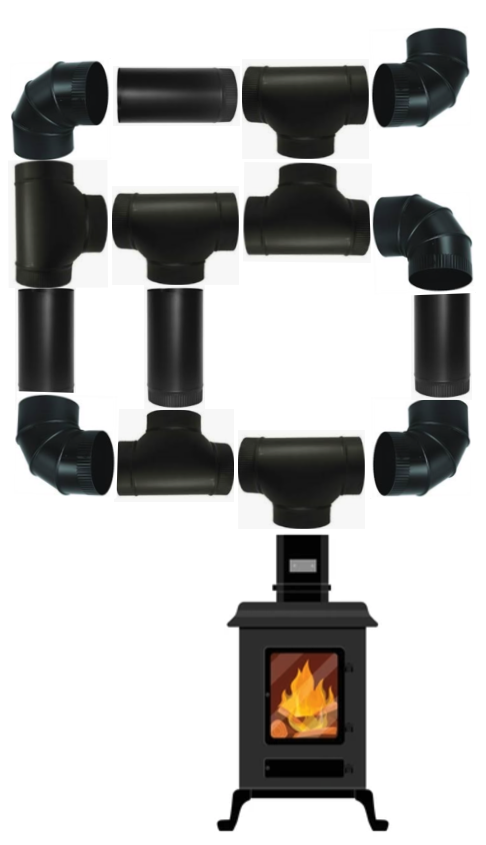
Table 17-1 summarizes the metadata for the Stovepipe Architecture antipattern. Because this chapter deals with an antipattern, not a pattern, the “Improved” metadata category refers to the characteristics that are improved ...
Read now
Unlock full access


 O’Reilly covers everything we've got, with content to help us build a world-class technology community, upgrade the capabilities and competencies of our teams, and improve overall team performance as well as their engagement.I wanted to learn C and C++, but it didn't click for me until I picked up an O'Reilly book. When I went on the O’Reilly platform, I was astonished to find all the books there, plus live events and sandboxes so you could play around with the technology.I’ve been on the O’Reilly platform for more than eight years. I use a couple of learning platforms, but I'm on O'Reilly more than anybody else. When you're there, you start learning. I'm never disappointed.I'm always learning. So when I got on to O'Reilly, I was like a kid in a candy store. There are playlists. There are answers. There's on-demand training. It's worth its weight in gold, in terms of what it allows me to do.