August 2025
Intermediate to advanced
448 pages
23h 26m
English
Privacy has shifted from being a mere legal obligation to a strategic imperative. Organizations are no longer just custodians of information but stewards of trust. With the surge in data collection and usage comes an equally pressing responsibility to protect individuals’ privacy. This is where Privacy by Design and Default emerges as a foundational framework, emphasizing proactive, preventative measures to embed privacy into every facet of an organization’s operations and systems.
At its core, Privacy by Design is about weaving privacy considerations into the fabric of systems, processes, and policies, ensuring that data protection is not an afterthought but a built-in feature (see Figure 12.1). This approach requires organizations to consider privacy from the inception of a project or system, addressing potential risks before they materialize. By integrating privacy measures into the development lifecycle, businesses mitigate the risks of breaches and noncompliance and build a competitive edge in a world where consumers increasingly value transparency and accountability.
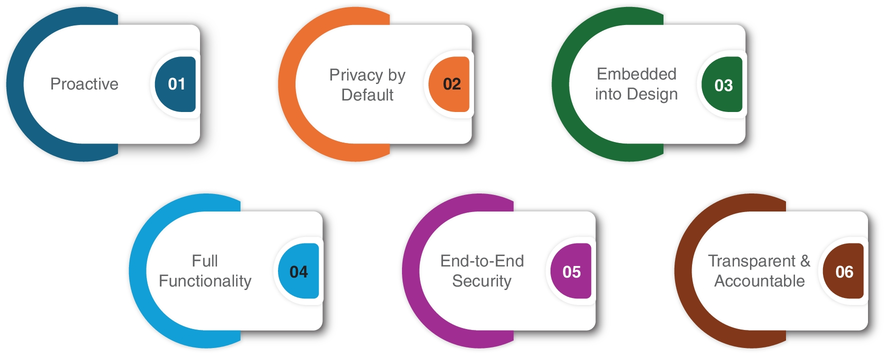
Figure 12.1 Privacy by design framework.
Privacy by Default is closely tied to this principle, ensuring that systems and processes are configured with the highest privacy settings. This means users are automatically protected without adjusting settings or navigating ...
Read now
Unlock full access


 O’Reilly covers everything we've got, with content to help us build a world-class technology community, upgrade the capabilities and competencies of our teams, and improve overall team performance as well as their engagement.I wanted to learn C and C++, but it didn't click for me until I picked up an O'Reilly book. When I went on the O’Reilly platform, I was astonished to find all the books there, plus live events and sandboxes so you could play around with the technology.I’ve been on the O’Reilly platform for more than eight years. I use a couple of learning platforms, but I'm on O'Reilly more than anybody else. When you're there, you start learning. I'm never disappointed.I'm always learning. So when I got on to O'Reilly, I was like a kid in a candy store. There are playlists. There are answers. There's on-demand training. It's worth its weight in gold, in terms of what it allows me to do.