May 2009
Beginner
271 pages
9h 38m
English
The reference architecture shown in Figure 5-1 is an evolution of the abstract Web 2.0 model discussed in Chapter 4, with more detail added for developers and architects to consider during implementation. Each layer can contain many components, but at the top level of abstraction, they provide a foundation that applies to many different kinds of application.
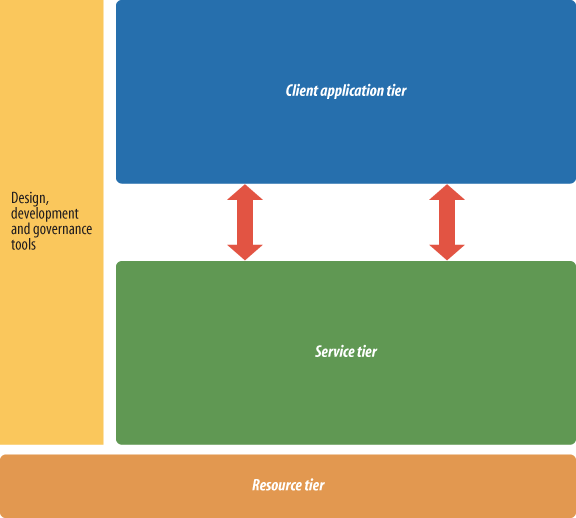
Figure 5-1. Basic Web 2.0 Reference Architecture diagram
The components of this architecture are:
The bottommost tier is the resource tier, which includes capabilities or backend systems that can support services that will be consumed over the Internet: that is, the data or processing needed for creating a rich user experience. This typically includes files; databases; enterprise resource planning (ERP) and customer relationship management (CRM) systems; directories; and other common applications an enterprise, site, or individual may have within its domain.
The service tier connects to the resource tier and packages functionality so that it may be accessed as a service, giving the service provider control over what goes in and out. Within enterprises, the classic examples of this functionality are J2EE application servers deploying SOAP or EJB endpoints. Web developers may be more familiar with PHP, Rails, ASP, and a wide variety of other frameworks for connecting resources ...
Read now
Unlock full access


 O’Reilly covers everything we've got, with content to help us build a world-class technology community, upgrade the capabilities and competencies of our teams, and improve overall team performance as well as their engagement.I wanted to learn C and C++, but it didn't click for me until I picked up an O'Reilly book. When I went on the O’Reilly platform, I was astonished to find all the books there, plus live events and sandboxes so you could play around with the technology.I’ve been on the O’Reilly platform for more than eight years. I use a couple of learning platforms, but I'm on O'Reilly more than anybody else. When you're there, you start learning. I'm never disappointed.I'm always learning. So when I got on to O'Reilly, I was like a kid in a candy store. There are playlists. There are answers. There's on-demand training. It's worth its weight in gold, in terms of what it allows me to do.