January 2002
Beginner
768 pages
25h 51m
English
The
grid geometry manager divides the window into a
grid composed of columns and rows starting at (0, 0) in the
upper-left corner. Figure 2-29 shows a sample grid.
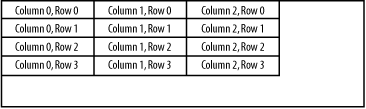
Figure 2-29. A window divided into grids
Rather than using the sides of a
window as reference points, grid divides the
screen into columns and rows. It looks a lot like a spreadsheet,
doesn’t it? Each widget is assigned a grid cell using the
options available to grid.
The
grid method takes a list of widgets instead of
operating on only one widget at a time.[1] Here is the generic usage:
$widget1->grid( [ $widget2, ... , ] [ option => value, ... ] );A specific example is:
$widget1->grid($widget2, $widget3);
Instead of using three separate calls, you can use one
grid call to display all three widgets. You can
also invoke grid on each widget independently,
just as you can pack. Each call to
grid will create another row in the window. So in
our example, $widget1,
$widget2, and$widget3 will be placed in the first
row. Another call to grid creates a second row.
This is what happens when you do not specify any additional options
to the grid call.
The previous example can be rewritten like this:
Tk::grid($widget1, $widget2, $widget3);
But beware, this is not necessarily equivalent to the previous statement, due to inheritance, an object-oriented concept. For more information, please refer to Chapter 14 ...
Read now
Unlock full access


 O’Reilly covers everything we've got, with content to help us build a world-class technology community, upgrade the capabilities and competencies of our teams, and improve overall team performance as well as their engagement.I wanted to learn C and C++, but it didn't click for me until I picked up an O'Reilly book. When I went on the O’Reilly platform, I was astonished to find all the books there, plus live events and sandboxes so you could play around with the technology.I’ve been on the O’Reilly platform for more than eight years. I use a couple of learning platforms, but I'm on O'Reilly more than anybody else. When you're there, you start learning. I'm never disappointed.I'm always learning. So when I got on to O'Reilly, I was like a kid in a candy store. There are playlists. There are answers. There's on-demand training. It's worth its weight in gold, in terms of what it allows me to do.