January 2005
Intermediate to advanced
256 pages
6h 34m
English
When
one video track is drawn on top of
another, the top doesn’t necessarily have to obscure
the bottom. QuickTime gives you the option of specifying a
GraphicsMode to combine pixels from multiple video
layers to create interesting effects.
You can create a
GraphicsMode
object to describe the means of
combining overlapping colors. To try it out, take the previous
lab’s code and replace all the matrix stuff (after
the foreTrack and backTrack are
created, but before the MovieController is
created) with the following:
GraphicsMode gm = new GraphicsMode (QDConstants.addMax,
                                  QDColor.green);
VisualMediaHandler foreHandler =
  (VisualMediaHandler) foreTrack.getMedia( ).getHandler( );
foreHandler.setGraphicsMode(gm);
foreTrack.setLayer(-1);Run this example with ant run-ch08-composit-evideotracks.
When run, this sample program asks you to open two movies, then creates a new movie with video tracks from the source movies’ media, and combines the pixels of the foreground movie with the background, so the foreground appears atop the background. The result is shown in Figure 8-4.
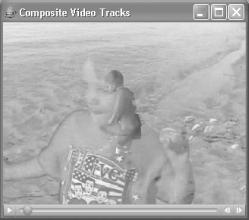
Figure 8-4. Composited video tracks with addMax graphics mode
Setting a GraphicsMode instructs QuickTime to
apply a specific behavior to combine overlapping pixels. The
GraphicsMode
has a
“mode” int,
which indicates which kind of behavior to use, and a
QDColor ...
Read now
Unlock full access


 O’Reilly covers everything we've got, with content to help us build a world-class technology community, upgrade the capabilities and competencies of our teams, and improve overall team performance as well as their engagement.I wanted to learn C and C++, but it didn't click for me until I picked up an O'Reilly book. When I went on the O’Reilly platform, I was astonished to find all the books there, plus live events and sandboxes so you could play around with the technology.I’ve been on the O’Reilly platform for more than eight years. I use a couple of learning platforms, but I'm on O'Reilly more than anybody else. When you're there, you start learning. I'm never disappointed.I'm always learning. So when I got on to O'Reilly, I was like a kid in a candy store. There are playlists. There are answers. There's on-demand training. It's worth its weight in gold, in terms of what it allows me to do.