September 2017
Intermediate to advanced
236 pages
6h 37m
English
Prior to the 2014 FIFA World Cup, one of the common stories being discussed at Twitter was how the service routinely became unavailable during the previous FIFA World Cup. In particular, every time Brazil or Japan scored a goal in their matches, the spike in the tweet volume used to take down the service. The Fail Whale (shown below) had become popular with the availability issues during the early days of Twitter. So, one of the goals for the 2014 FIFA World Cup was to have absolutely zero downtime. Further, another key goal was to ensure high performance of the Twitter mobile app—sharing photos or the like should be blazingly fast. How does one go about achieving that?
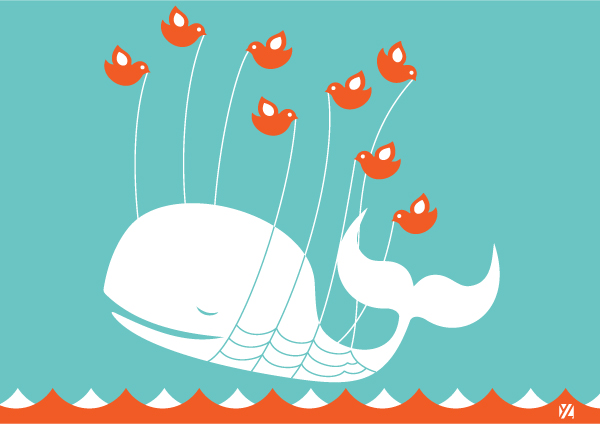
Akin to the preceding anecdote, with the increasing use of Twitter during mega events such as the Super Bowl, another key emphasis was to ensure high availability in spite of traffic—tweets, retweets, favorites, DMs—spikes. Conceivably, we can analyze the magnitude of the past spikes relative to the normal traffic and then come up with a first-cut estimate of the magnitude of the spike going forward. Having said that, should you deploy capacity to handle such one-time events, particularly given that the capacity would most likely be underutilized for most of the year? How do you handle unplanned events such as the power failure that occurred during Super Bowl XLVII in 2013? Ensuring high availability ...
Read now
Unlock full access


 O’Reilly covers everything we've got, with content to help us build a world-class technology community, upgrade the capabilities and competencies of our teams, and improve overall team performance as well as their engagement.I wanted to learn C and C++, but it didn't click for me until I picked up an O'Reilly book. When I went on the O’Reilly platform, I was astonished to find all the books there, plus live events and sandboxes so you could play around with the technology.I’ve been on the O’Reilly platform for more than eight years. I use a couple of learning platforms, but I'm on O'Reilly more than anybody else. When you're there, you start learning. I'm never disappointed.I'm always learning. So when I got on to O'Reilly, I was like a kid in a candy store. There are playlists. There are answers. There's on-demand training. It's worth its weight in gold, in terms of what it allows me to do.