April 2019
Intermediate to advanced
272 pages
4h 45m
English
It’s no longer possible to think of the physical and digital as two separate worlds,” says Angela Ahrendts, SVP Apple Retail, and before that, CEO of Burberry, in an interview with the Financial Times.1 Digital technology is transforming how products are made, how they are sold, how we work, and the quantity and sophistication of a company’s information bank. For entrepreneurial business leaders, that information is power. It can help make better, quicker, smarter decisions that improve business performance as well as manage risk (see Figure 9.1).
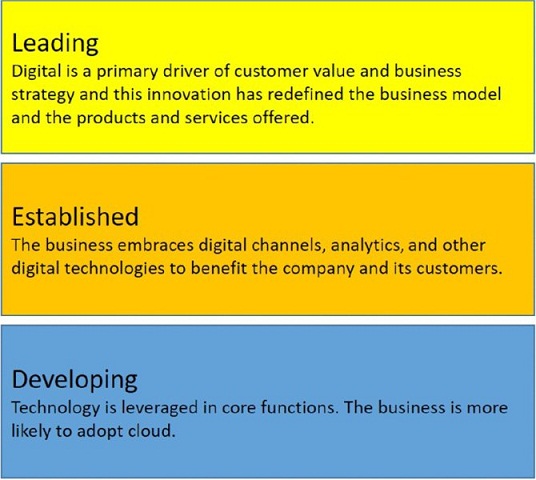
Figure 9.1 EY 7 Drivers of Growth – Digital technology and analytics
The World Economic Forum describes this transformation as the Fourth Industrial Revolution – one that will be at least as far-reaching as the industrial revolutions that preceded it. “The Fourth Industrial Revolution – the current period of rapid, simultaneous, and systemic transformation driven by advances in science and technology – is reshaping industries, blurring geographical boundaries, challenging existing regulatory frameworks, and even redefining what it means to be human.”2
But some legacy businesses may find it harder to harness the full power that digital technology offers. While most business leaders recognize the potential value that going digital brings, some still ...
Read now
Unlock full access


 O’Reilly covers everything we've got, with content to help us build a world-class technology community, upgrade the capabilities and competencies of our teams, and improve overall team performance as well as their engagement.I wanted to learn C and C++, but it didn't click for me until I picked up an O'Reilly book. When I went on the O’Reilly platform, I was astonished to find all the books there, plus live events and sandboxes so you could play around with the technology.I’ve been on the O’Reilly platform for more than eight years. I use a couple of learning platforms, but I'm on O'Reilly more than anybody else. When you're there, you start learning. I'm never disappointed.I'm always learning. So when I got on to O'Reilly, I was like a kid in a candy store. There are playlists. There are answers. There's on-demand training. It's worth its weight in gold, in terms of what it allows me to do.