February 2012
Intermediate to advanced
1184 pages
37h 17m
English
You can break up the life cycle of a Perl program into four distinct phases, each with separate stages of its own. The first and the last are the most interesting and the middle two are optional. The stages are depicted in Figure 16-1.
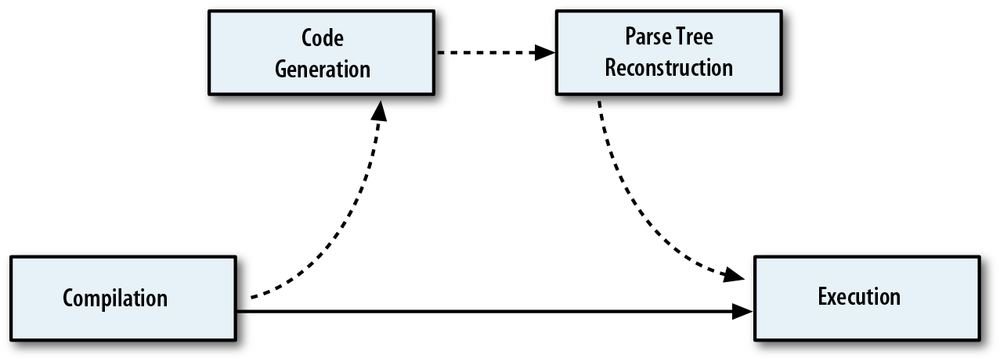
Figure 16-1. The life cycle of a Perl program
During phase 1, the compile
phase, the Perl compiler converts your program into a data
structure called a parse
tree. Along with the standard parsing techniques, Perl
employs a much more powerful one: it uses BEGIN blocks to guide further compilation.
BEGIN blocks are handed off to
the interpreter to be run as soon as they are parsed, which
effectively runs them in FIFO order
(first in, first out). This includes any use and no declarations; these are really
just BEGIN blocks in
disguise. UNITCHECK
blocks are executed as soon as their compilation unit is
finished being compiled; these are used for per-unit initialization.
Any CHECK, INIT, and END blocks are scheduled by the compiler for delayed
execution.
Lexical declarations are noted, but assignments to them are
not executed. All eval
BLOCKs, s///e constructs, and noninterpolated regular expressions are compiled here, and constant expressions are preevaluated. The compiler is now done, unless it gets called back into service later. At the end of this phase, the interpreter is again called up to execute ...
Read now
Unlock full access


 O’Reilly covers everything we've got, with content to help us build a world-class technology community, upgrade the capabilities and competencies of our teams, and improve overall team performance as well as their engagement.I wanted to learn C and C++, but it didn't click for me until I picked up an O'Reilly book. When I went on the O’Reilly platform, I was astonished to find all the books there, plus live events and sandboxes so you could play around with the technology.I’ve been on the O’Reilly platform for more than eight years. I use a couple of learning platforms, but I'm on O'Reilly more than anybody else. When you're there, you start learning. I'm never disappointed.I'm always learning. So when I got on to O'Reilly, I was like a kid in a candy store. There are playlists. There are answers. There's on-demand training. It's worth its weight in gold, in terms of what it allows me to do.