September 2020
Beginner
442 pages
9h 54m
English
One of the key considerations in data preparation is where to hold the output. After all, what is the point of doing all that hard work if you then put the data somewhere that is:
Inaccessible to those who need to use the data
Slow or unresponsive
Not protected against accidental overwrites, risking permanent loss of the source data
Let’s consider each of these scenarios in turn to determine what you should consider when writing your output to a location (Figure 45-1).
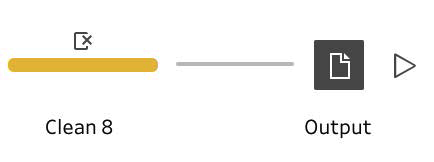
As the previous chapter discussed, it can be challenging to find the right balance between data openness and data security. More restrictive data legislation is being passed across the world as the general public realizes the value of their personal data and the potential effects of a data breach on their lives. At the same time, without breaking any rules or laws, giving people freedom to work with data will lead to future innovation and better, more efficient decisions. So how can you strike this balance? Well, let’s first consider the absolute don’ts of data access.
There are some things that you just can’t do, and breaking the law is one of them. The following are two important things to keep in mind.
Personally identifiable information (PII) is any data that can ...
Read now
Unlock full access


 O’Reilly covers everything we've got, with content to help us build a world-class technology community, upgrade the capabilities and competencies of our teams, and improve overall team performance as well as their engagement.I wanted to learn C and C++, but it didn't click for me until I picked up an O'Reilly book. When I went on the O’Reilly platform, I was astonished to find all the books there, plus live events and sandboxes so you could play around with the technology.I’ve been on the O’Reilly platform for more than eight years. I use a couple of learning platforms, but I'm on O'Reilly more than anybody else. When you're there, you start learning. I'm never disappointed.I'm always learning. So when I got on to O'Reilly, I was like a kid in a candy store. There are playlists. There are answers. There's on-demand training. It's worth its weight in gold, in terms of what it allows me to do.