April 2026
Intermediate
400 pages
9h 26m
English
Project complexity is a diverse concept that extends beyond the dimensions discussed in Chapters 4–19. While those chapters covered significant aspects of complexity, additional factors contribute to the project's elaborate nature. These other dimensions often interact with the effects of the primary complexity factors, creating a more challenging project environment.
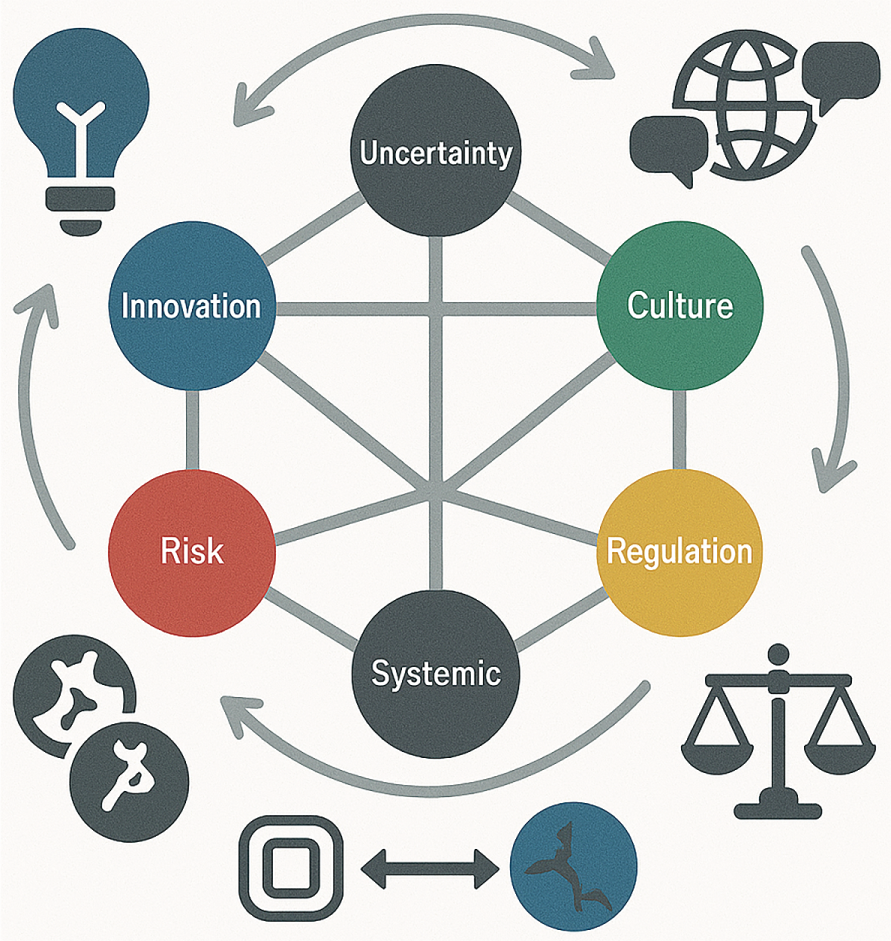
One such dimension is the degree of innovation required in a project. Innovation complexity arises when projects involve developing or implementing new technologies, processes, or methodologies (Geraldi et al. 2011). This dimension introduces uncertainties and risks associated with unproven solutions. Projects with high innovation often require more flexible management approaches and a greater tolerance for experimentation and potential failures.
Another important dimension is the level of cultural complexity present in a project. This factor becomes particularly relevant in global projects or those involving diverse stakeholder groups. Cultural complexity encompasses differences in communication styles, decision‐making processes, and work ethics across various cultural contexts (Ochieng and Price 2010). Even though some of these were already covered in previous chapters, project managers must explore these ...
Read now
Unlock full access


 O’Reilly covers everything we've got, with content to help us build a world-class technology community, upgrade the capabilities and competencies of our teams, and improve overall team performance as well as their engagement.I wanted to learn C and C++, but it didn't click for me until I picked up an O'Reilly book. When I went on the O’Reilly platform, I was astonished to find all the books there, plus live events and sandboxes so you could play around with the technology.I’ve been on the O’Reilly platform for more than eight years. I use a couple of learning platforms, but I'm on O'Reilly more than anybody else. When you're there, you start learning. I'm never disappointed.I'm always learning. So when I got on to O'Reilly, I was like a kid in a candy store. There are playlists. There are answers. There's on-demand training. It's worth its weight in gold, in terms of what it allows me to do.