July 2026
Intermediate
480 pages
20h 9m
English
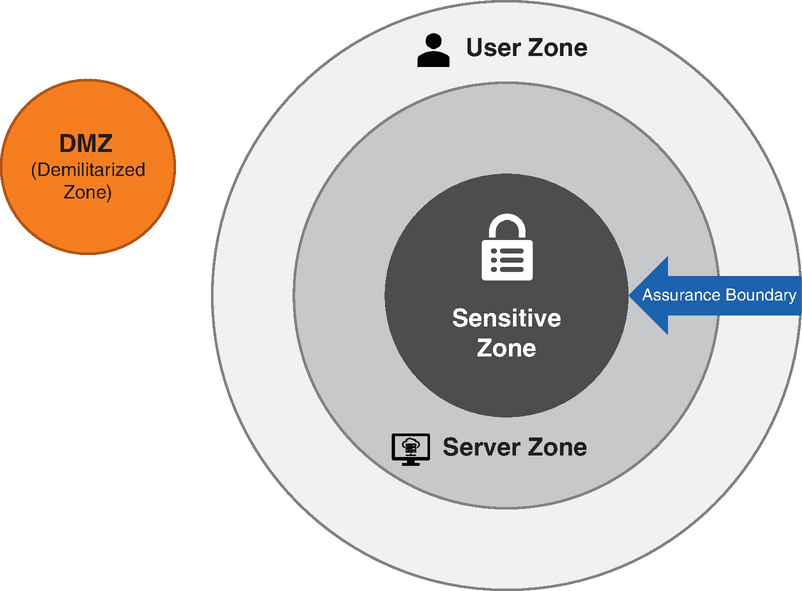
Network and perimeter security define the boundaries of organizational trust, shaping how systems communicate and how threats are contained. As enterprise architectures evolve toward hybrid cloud and distributed access, these boundaries have become more fluid and complex, requiring precision in both design and oversight. Understanding how segmentation, edge enforcement, and outbound control interact allows auditors to verify not just the existence of defenses, but their actual effectiveness in practice. The modern perimeter is no longer a static wall—it is a dynamic fabric of gateways, inspection points, and policy engines that must work in harmony to sustain resilience.
Effective auditing of this fabric depends on visibility into intent, implementation, and operation. From firewall governance and egress controls to DNS enforcement, intrusion prevention, and secure access edge frameworks, each control represents a contract between business purpose and technical reality. Auditors must validate that these contracts are upheld—ensuring configurations match approved design, that rulebases and trust zones remain current, and that automation does not introduce silent risk. In an era of AI-driven threats and rapid infrastructure change, these assurance activities provide the foundation for measurable, evidence-based confidence in network security ...
Read now
Unlock full access


 O’Reilly covers everything we've got, with content to help us build a world-class technology community, upgrade the capabilities and competencies of our teams, and improve overall team performance as well as their engagement.I wanted to learn C and C++, but it didn't click for me until I picked up an O'Reilly book. When I went on the O’Reilly platform, I was astonished to find all the books there, plus live events and sandboxes so you could play around with the technology.I’ve been on the O’Reilly platform for more than eight years. I use a couple of learning platforms, but I'm on O'Reilly more than anybody else. When you're there, you start learning. I'm never disappointed.I'm always learning. So when I got on to O'Reilly, I was like a kid in a candy store. There are playlists. There are answers. There's on-demand training. It's worth its weight in gold, in terms of what it allows me to do.