February 2006
Intermediate to advanced
826 pages
63h 42m
English
In this simple example, the float property is used to float an image to
the right (Figure
21-1).
    img {float: right; margin: 20px;}

    <p><img src="img/placeholder.gif">Aliquam pulvinar volutpat...</p>
As you can see in Figure
21-1, the float property
applied to the img element
effectively replaces the deprecated align attribute. In this image example, the
margin does the work of the deprecated hspace and vspace attributes. The advantage of margin is that you can apply different amounts
of margin space on each side of the
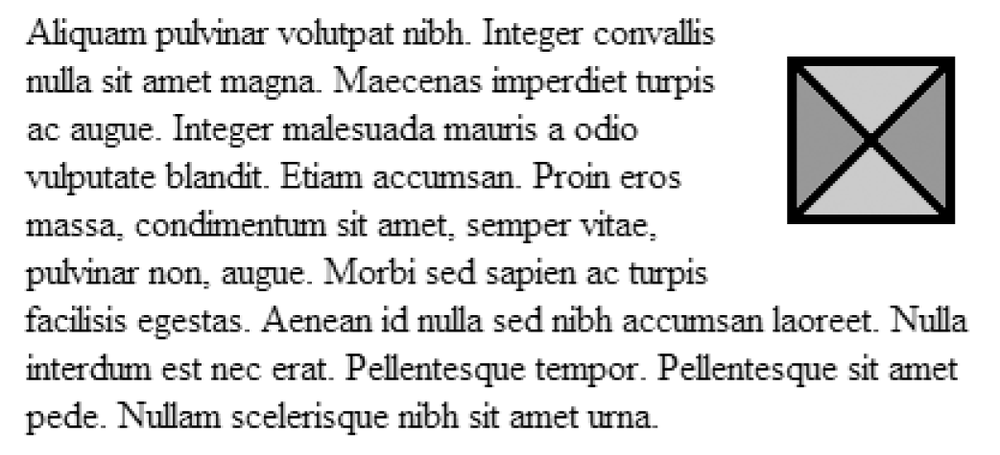
Figure 21-1. Floating an image to the right
image (hspace and vspace apply the same amount of space on
opposite sides). Padding may also be used to add space around the
contents of a floated element.
Although the behavior in this example should be familiar to those who have worked with HTML, it is quite interesting when considered in terms of the CSS visual layout model. Floated elements are removed from the normal flow of the document, yet they still have an effect on other elements in the layout—surrounding content is reflowed to stay out of their way. To use one popular analogy, they are like islands in a stream—they are out of the normal flow, but the stream has to flow around them. Floated elements are unique in this regard, because elements removed from the flow normally cease to have influence on other elements (this will be discussed in the upcoming positioning ...
Read now
Unlock full access


 O’Reilly covers everything we've got, with content to help us build a world-class technology community, upgrade the capabilities and competencies of our teams, and improve overall team performance as well as their engagement.I wanted to learn C and C++, but it didn't click for me until I picked up an O'Reilly book. When I went on the O’Reilly platform, I was astonished to find all the books there, plus live events and sandboxes so you could play around with the technology.I’ve been on the O’Reilly platform for more than eight years. I use a couple of learning platforms, but I'm on O'Reilly more than anybody else. When you're there, you start learning. I'm never disappointed.I'm always learning. So when I got on to O'Reilly, I was like a kid in a candy store. There are playlists. There are answers. There's on-demand training. It's worth its weight in gold, in terms of what it allows me to do.